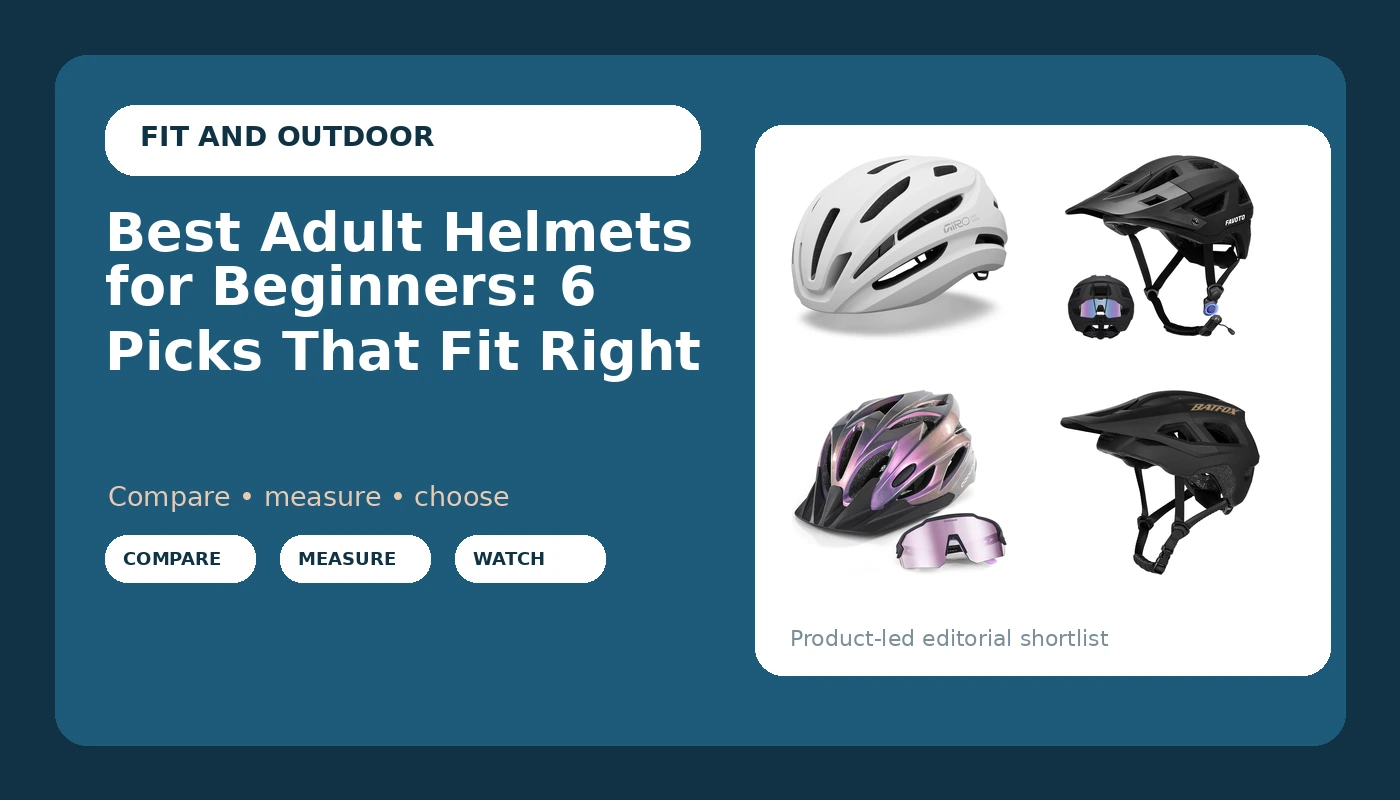
Most first helmets get bought in the same week as the bike, in a shop aisle or a scroll, and the decision comes down to colour, cost, and whatever is left in your size. That is backwards. A helmet is the one piece of cycling gear where the specification matters more than the look, and the specification is dull: coverage at the back of the head, a retention system that holds its setting, a weight you will tolerate on a two-hour ride, and a stated standard you can look up. This guide to adult helmets for beginners sticks to six helmets you can buy today and reads what each listing actually says, because before the box arrives that is the only honest comparison available.
Quick answer
The Giro Isode MIPS II Cycling Helmet is the strongest fit for a first helmet bought online because it is the only model in this roundup whose product name states a rotational-impact liner system, MIPS, and the shell is a conventional cycling design rather than a mountain-bike shape. Choose the NTA 8776 E-Bike & Mountain Bike Helmet for Adults Youth instead when you ride a bike with a motor and want a shell named to the e-bike standard.
What adult helmets for beginners should compare
Three things separate the six helmets below, and none of them is the paint.
The first is what the model name actually certifies or claims. NTA 8776 is a Dutch standard written for e-bike and speed-pedelec helmets, which are tested at higher impact speeds than a standard bicycle helmet. MIPS is not a standard at all. It is a low-friction liner built into a helmet to reduce rotational forces in an angled impact, and makers license it. So a helmet can carry MIPS and still be a basic shell, and a helmet can meet a demanding standard without MIPS. Knowing which of the two a listing claims stops you paying for the wrong thing.
The second is the visor. A mountain-bike visor shades the eyes and keeps low branches out of your line, which is why the Favoto, both of the ultra-light listings, and the NTA helmet all lead with one. A road-style shell usually goes without, on the theory that you are tucked and looking through the top of the frame. For a beginner riding paths, rail trails, and the edge of town, the visor earns its place.
The third is fit adjustment, and this is where listings go vague. "Adjustable fit" can mean a dial retention system at the back, a set of interchangeable pads, or both. Look for the dial in the photos and for cradle height adjustment in the copy. If neither appears, plan on doing your own sizing with pads.
Top pick
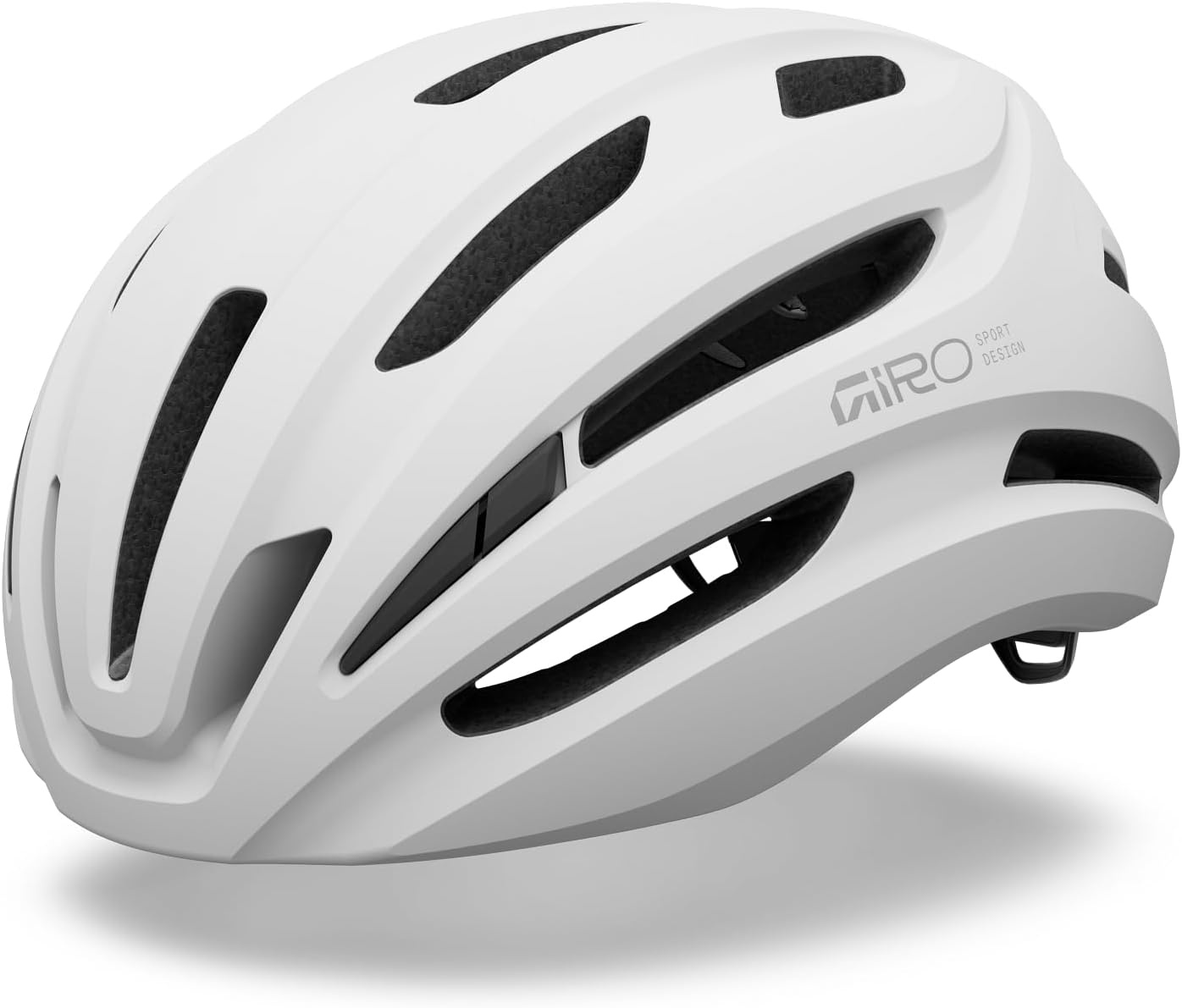
Giro Isode MIPS II Cycling Helmet
A cycling helmet whose model name states MIPS, the rotational-impact liner system. A general riding shell rather than an MTB shape, and the simplest starting point here if you want a helmet brand you can look up and a fit decided by the size chart.
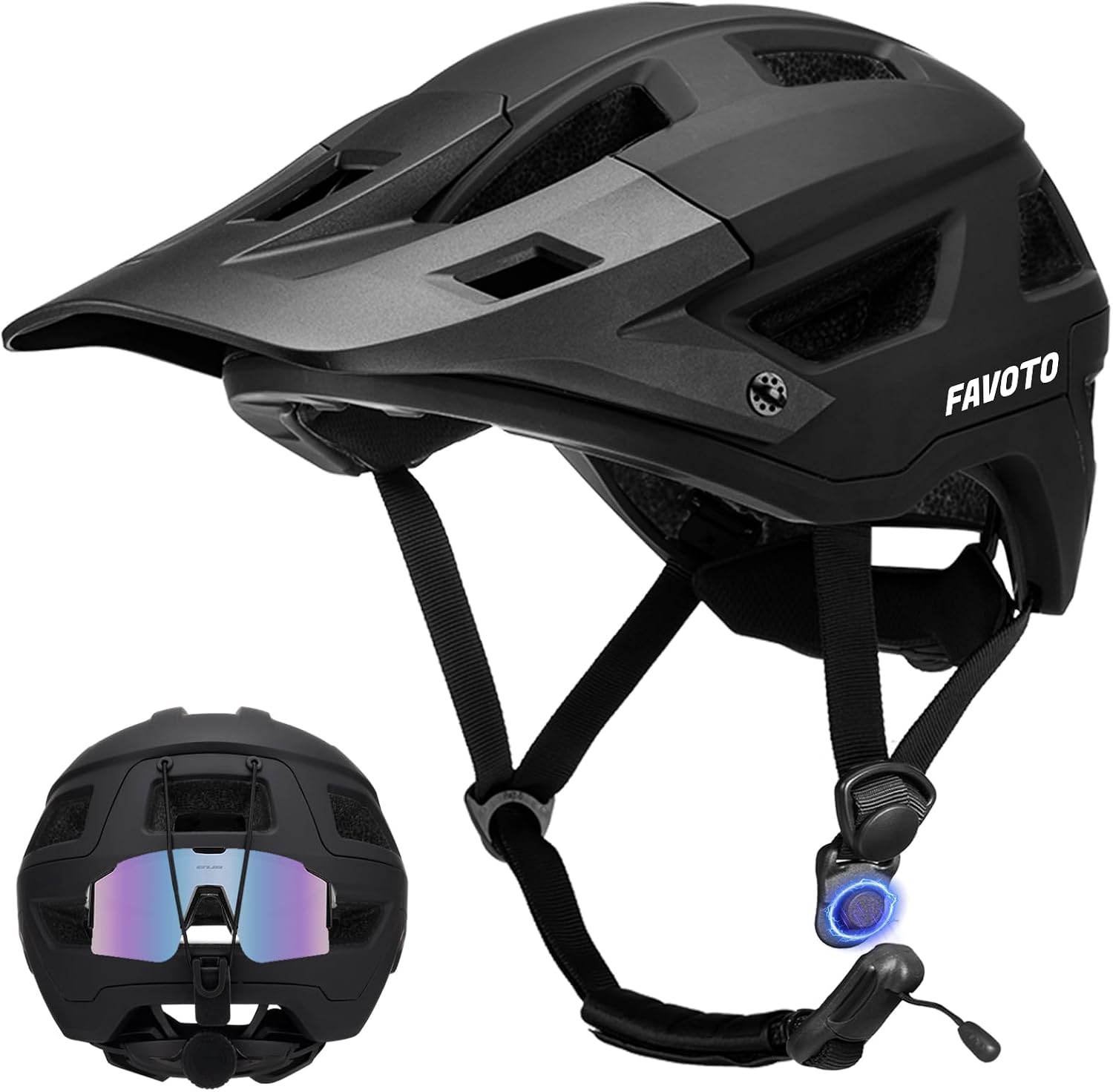
Favoto Mountain Bike Helmet for Adult Men Women, MTB with Visor
An MTB helmet for adult men and women with a visor as the named feature. The peak is the practical difference: it shades low sun and trailside growth without you needing sunglasses on every ride.
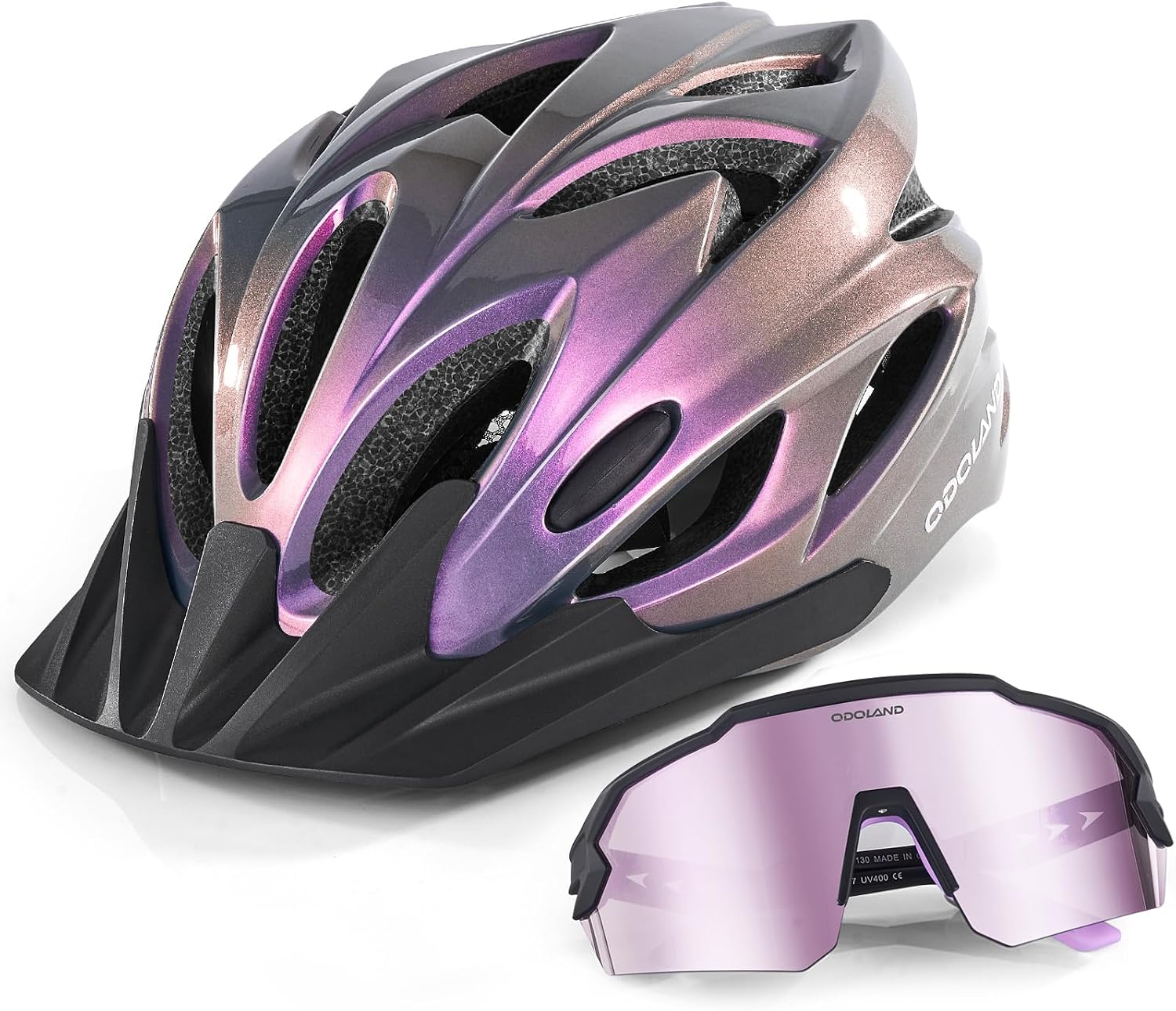
Odoland Adult Bike Helmet with Cycling Sunglasses Set for Men & Women
Sold as a helmet and cycling sunglasses set for men and women. Worth a look if you would rather settle the glasses question in the same purchase instead of making two decisions.
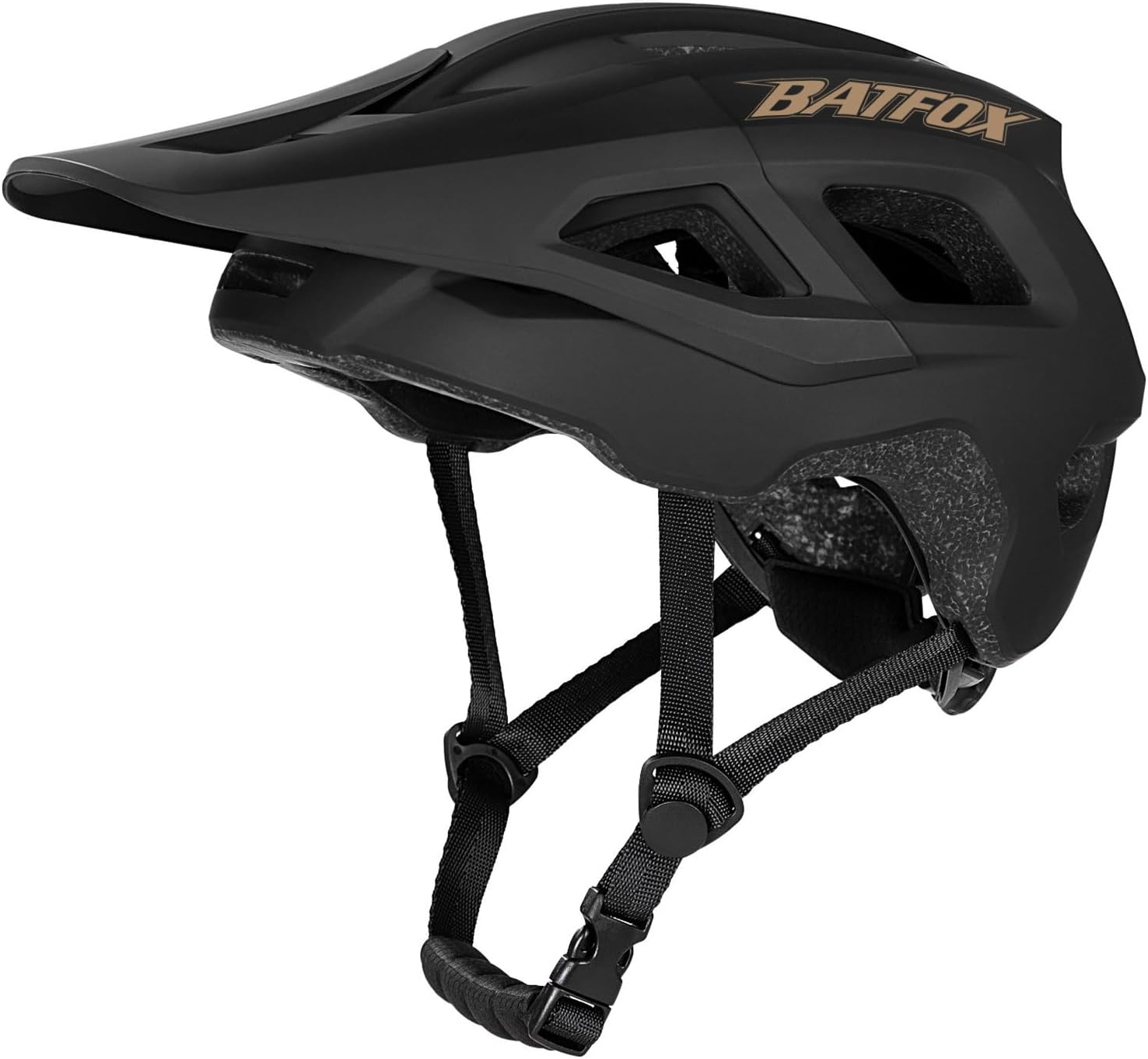
NTA 8776 E-Bike & Mountain Bike Helmet for Adults Youth
Named to the NTA 8776 standard used for e-bike and speed-pedelec helmets, and sized across adults and youth. The standard in the name is the reason to pick it for a bike with a motor.
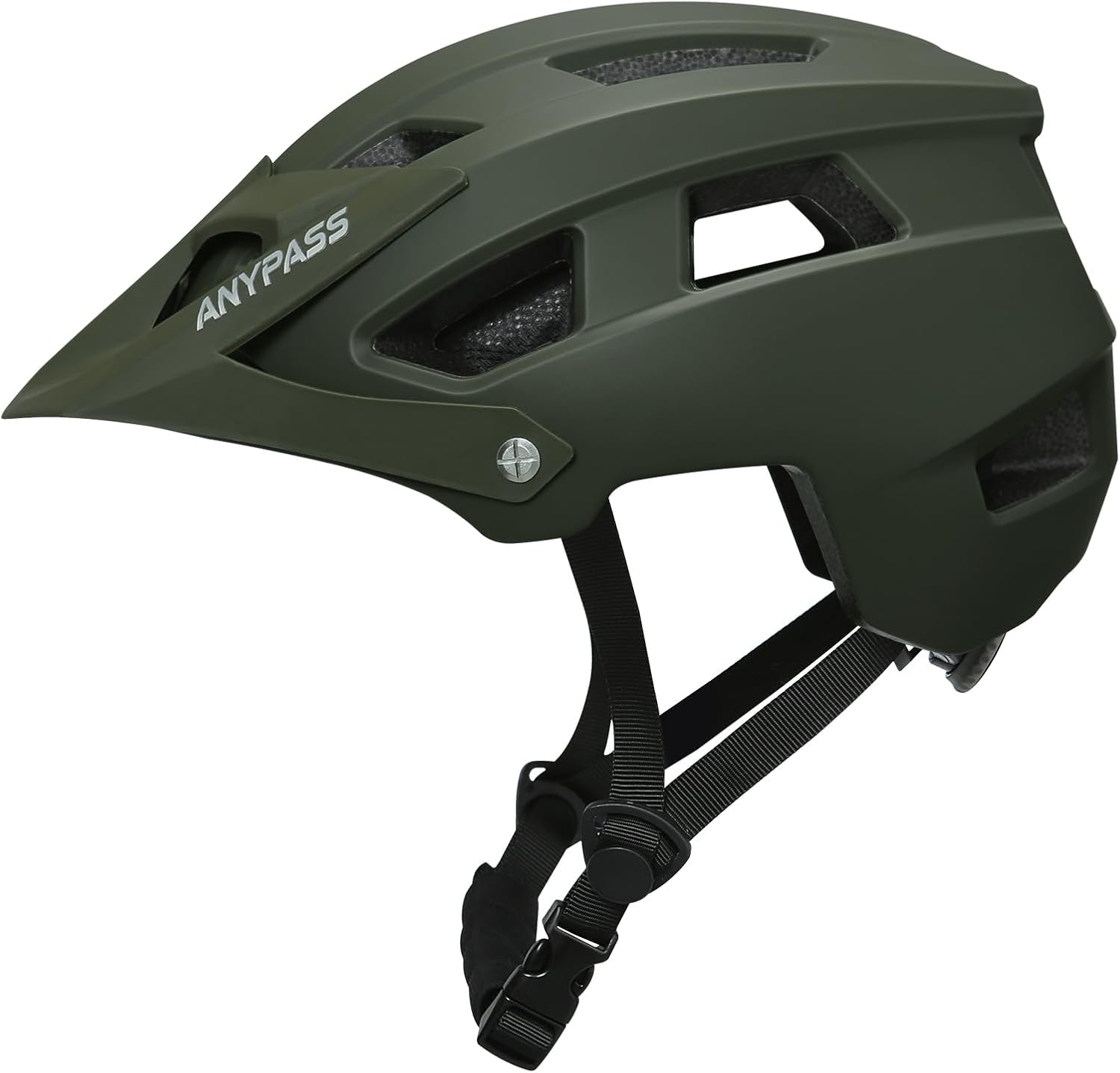
Mountain Bike Helmet Adult Men Women – Ultra Comfort, Super Lightweight Bicycle Helmets, MTB Cycling Gear Biking Accessories with Adjustable Fit & Removable Sun Visor
Listed with adjustable fit, a removable sun visor, and a lightweight build. One of two listings in this roundup carrying the same name, so confirm which card you are on before ordering.
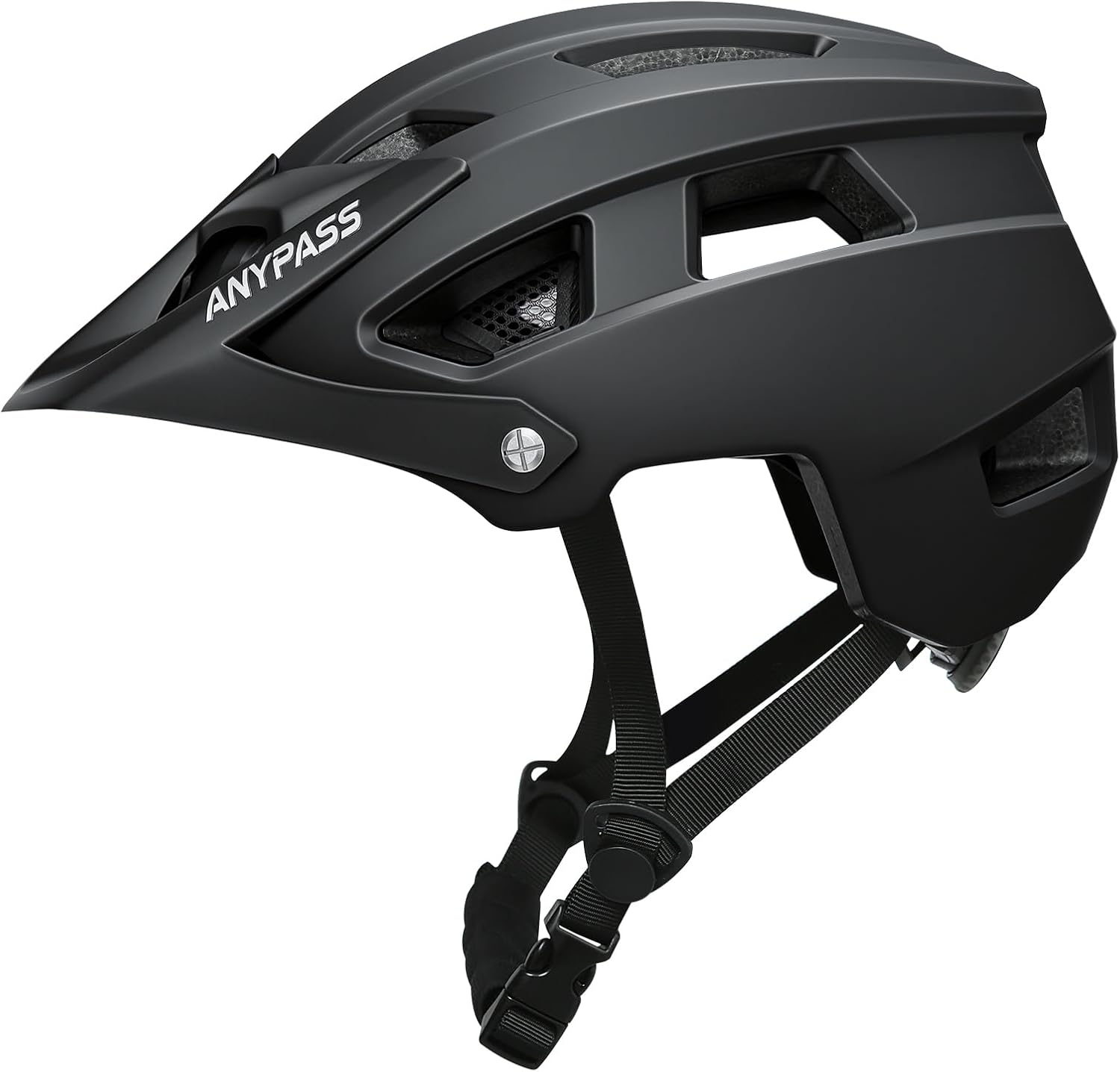
Mountain Bike Helmet Adult Men Women – Ultra Comfort, Super Lightweight Bicycle Helmets, MTB Cycling Gear Biking Accessories with Adjustable Fit & Removable Sun Visor
The second listing under the same name and the same stated feature set as the card before it. Treat them as two separate purchases and check the size options and seller on the page you actually open.
How these products were compared
This guide weighs five things: the standard or liner technology named in the product name, the visor arrangement (fixed, removable, or none), the fit adjustment the listing actually describes, the riding style the shell is built around, and how precisely the listing identifies the exact model, which matters most where two listings share one name.
None of these helmets was tested for this article. Everything above comes from product names and the features those listings state, which is the honest limit of an online roundup written before anything arrives in a box. Product names, images, and retailer links are matched by product identifier so that every card points to the product shown.
That makes this a short list rather than a directory. The best adult helmets for beginners are the ones whose stated features you can check against your own riding before you order, not the ones with the most stars under them.
How to choose the right helmet
Any adult helmets buying guide that opens with brands is starting in the wrong place. Start with your head.
Measure first. Wrap a soft tape around your head about a finger's width above the eyebrows, level all the way round, and write the number down in centimetres. Sizing is not standardised between makers, so the chart on the exact listing is the only one that counts. If you land between two sizes, take the smaller only if the retention dial has room to open. A shell that is too big cannot be shrunk, and a helmet that slides back over your eyebrows when you push up on the front edge is too big no matter what the chart said. Adult helmets fit is decided by the shell, not by the dial.
Then set the straps. The dial at the back is a fit aid, not a substitute for the right shell. Set the cradle so the helmet sits level, then tighten until you can raise your eyebrows without the shell moving. The straps should meet in a V just under the ear and lie flat against the skin. Do this indoors, with the tags still on, and wear it for ten minutes. Any pressure point you notice in the first ten minutes becomes a headache at forty.
Match the standard to the bike. A conventional bicycle helmet is tested for pedal-bike speeds. A helmet named to NTA 8776 is built for e-bike and speed-pedelec speeds, which is why it is the sensible pick if you ride with a motor. MIPS sits on top of that as a liner technology rather than a certification, so treat it as an upgrade to the inside of the helmet, not a replacement for the standard.
Decide the visor question. For adult helmets for commuting, the trade is ventilation against coverage. A lighter, more vented shell is cooler at a traffic light in July; a rounder shell with fewer vents is warmer and quieter in rain. A fixed peak is useful on tree-lined paths and a nuisance if you also ride with a light mounted high on the bars. If you plan to pair the helmet with lights for evening rides, read our commuter bike light guide first, because both purchases tend to happen in the same month and the two choices affect each other.
Read the complaints, not the average. Adult helmets reviews are most useful when you search them for the words pressure, dial, and strap. That tells you more about the retention system than any star average. The top rated adult helmets in any given month are simply the ones selling hardest, and a shell that suits someone else's head shape says nothing about yours. A high average is evidence the seller ships, not that the helmet fits. This is also why any adult helmets size guide worth reading starts with a tape measure instead of a brand list.
Confirm the certification line. Before you order, check that the listing states a recognised helmet standard for your market and that the size you selected is the one the chart supports. If a listing names a standard in the title and never mentions it again, ask the seller which certification the shell carries.
The short version of how to choose adult helmets: measure, match the standard to the bike, decide on a visor, then spend your remaining effort on size rather than features. Everything in this section applies to adult helmets for beginners and to anyone replacing a shell that has been in a shed for a decade.
Giro Isode MIPS II Cycling Helmet
The Isode is the one helmet here that names a rotational-impact liner system in the model itself. MIPS is a low-friction layer between the head and the foam, designed to let the shell rotate slightly in an angled impact, and it is the reason this is the top pick for a first purchase. It is also a plain cycling shell rather than a mountain-bike shape, which suits the riding most beginners actually do: paths, bike lanes, rail trails, and the shoulder of a county road.
Fit is where it earns the recommendation. A helmet brand with a fixed model line tends to publish a size chart that matches the shell, and the retention dial takes up the small differences between one head and the next. Buy the size the chart supports, not the size you wear in a cap, and set the cradle height before you ride anywhere.
The trade-off is straightforward. You are paying for the liner and the shell rather than accessories: there is no visor and no bundled glasses, so a beginner who wants sun protection buys glasses separately. The shape is also aimed at upright and road riding rather than technical trail riding. If most of your riding is rough singletrack, a dedicated MTB shell with a peak and more rear coverage is the better call, and the Favoto or the two ultra-light listings are where to look. For everyone else, this is the helmet to beat.
Alternatives to consider
The Odoland Adult Bike Helmet with Cycling Sunglasses Set for Men & Women is better suited to a first-time commuter who wants the glasses question settled in the same order, while the NTA 8776 E-Bike & Mountain Bike Helmet for Adults Youth is a stronger fit when the bike has a motor and you want a shell named to the e-bike standard rather than a general bicycle standard.
The Favoto Mountain Bike Helmet for Adult Men Women, MTB with Visor covers trailhead and rail-trail riding where a fixed peak earns its keep. The two ultra-light listings, sold under the name Mountain Bike Helmet Adult Men Women – Ultra Comfort, Super Lightweight Bicycle Helmets, MTB Cycling Gear Biking Accessories with Adjustable Fit & Removable Sun Visor, cover the case where you want a removable visor and an adjustable fit described in the copy. There are two cards because there are two separate listings under that name, so read the card you are actually on: identical names do not guarantee identical sellers or identical size runs.
Taken together, the six cover what adult helmets for beginners realistically need: one road-style shell with a named liner, one standard-led e-bike shell, two visored trail shells, one bundled set, and a second listing of the trail shell for buyers who want the exact model shown on the card.
Day-to-day use and maintenance
The shell is the part you can see, and it is rarely the part that fails. The expanded polystyrene foam inside is what absorbs an impact, and it degrades with UV, heat, and solvents. Leaving a helmet in a car footwell through a summer is the fastest way to shorten its working life; so is hanging it on a mirror where the straps bake. Store it indoors, out of direct sun, and never in a black bag on a rear rack.
Wash the pads by hand with mild soap and warm water, rinse the straps, and let everything air dry away from a radiator. Do not put a helmet in a dishwasher and do not clean it with solvent or adhesive remover, both of which attack the foam. If the shell has stickers you want gone, warm them with a hair dryer rather than reaching for a chemical.
Replace any helmet after an impact where it took the hit, even if the shell looks untouched, because compressed foam does not spring back. Most makers publish a service life and it is shorter than the decade people get out of a helmet kept in a shed.
A monthly check takes a minute: run a thumb along the foam inside for compression lines, look at the shell around the strap anchors for cracks, and confirm the dial clicks and holds. A dial that slips is a fit problem you cannot tighten your way out of. Nothing here is medical advice; if you have hit your head, follow a clinician's guidance rather than a visual inspection of the helmet.
Buying checklist
- Measure your head circumference in centimetres, level and just above the eyebrows, and match it against the size chart on the exact listing.
- Choose the standard first: a shell named to NTA 8776 for an e-bike, a conventional bicycle standard for a pedal bike, with MIPS treated as a liner upgrade rather than a certification.
- Confirm the exact model includes the feature you are buying it for, whether that is a removable visor, a dial retention system, or a bundled pair of glasses.
- Read the cleaning and maintenance instructions, especially anything about solvents, storage heat, and replacement after impact.
- Verify the current retailer price, availability, and return terms before you order, and keep the box until you have worn the helmet indoors for ten minutes.
Final recommendation
Choose the Giro Isode MIPS II Cycling Helmet when you want one shell, a named rotational liner, and a fit decided by a size chart, and you are content to buy glasses separately. Choose the NTA 8776 E-Bike & Mountain Bike Helmet for Adults Youth when the bike has a motor. Choose the Odoland Adult Bike Helmet with Cycling Sunglasses Set for Men & Women when you want the glasses in the box, and the Favoto Mountain Bike Helmet for Adult Men Women, MTB with Visor when a fixed peak suits the trails you ride. Where the data does not support a meaningful distinction, as between the two ultra-light listings, the honest answer is to pick the card whose size and seller you have checked, and to spend the decision on fit instead.